
A split system air conditioner is an essential investment for maintaining a comfortable home environment in Melbourne’s varied climate. With the right unit, you can efficiently cool your home in summer and keep it warm in winter. However, selecting the appropriate split system air conditioner can be daunting, given the myriad of options available. This guide will help you understand the key factors to consider, ensuring you make an informed decision tailored to your specific needs.
Understanding Split System Air Conditioners
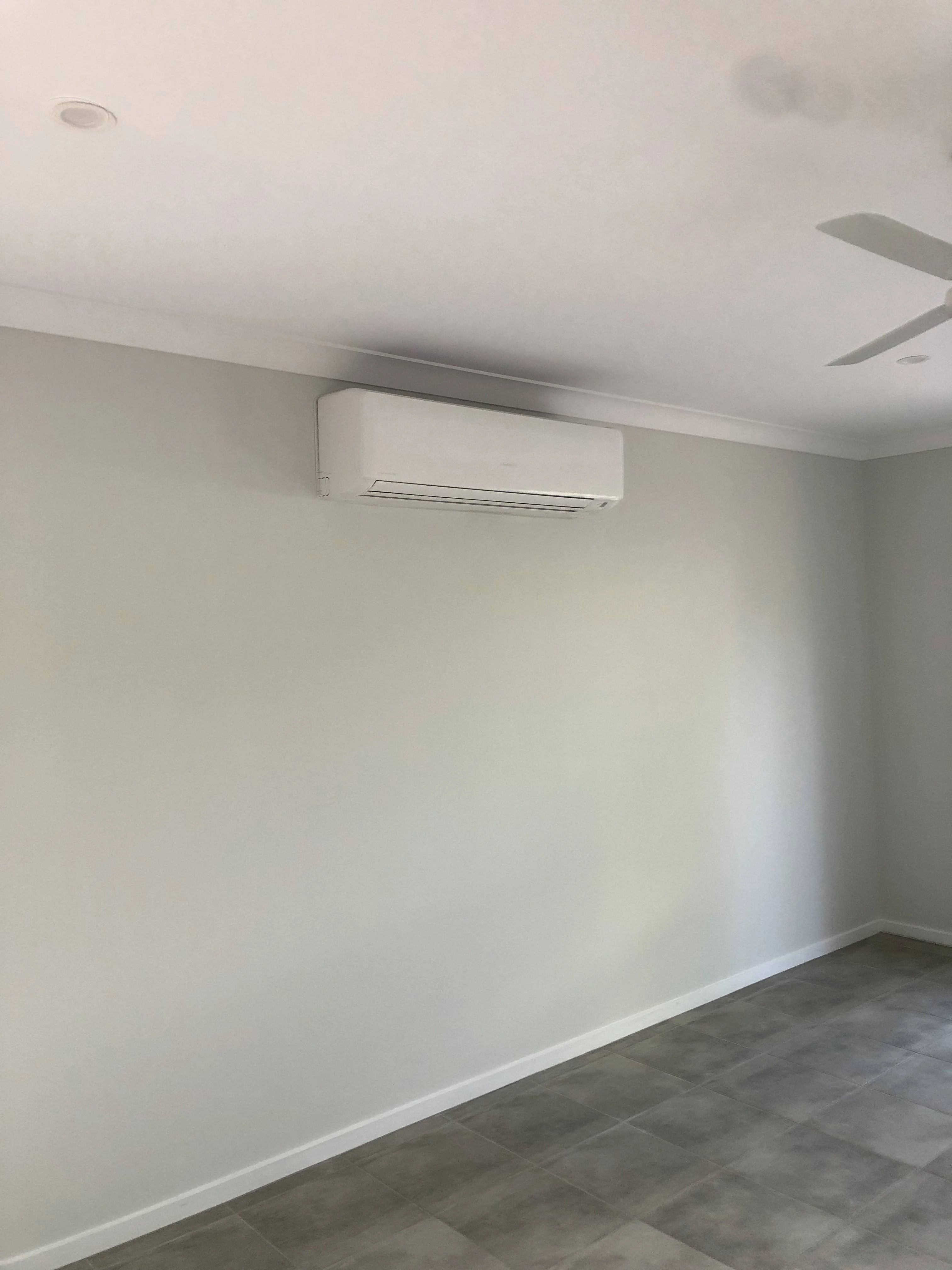
Split system air conditioners consist of two main components: an indoor unit and an outdoor unit. The indoor unit is typically mounted on a wall, while the outdoor unit is installed outside your home. These units are connected by refrigerant lines and electrical wiring. The split system air conditioner is highly efficient and versatile, making it a popular choice for both residential and commercial properties.
Types of Split System Air Conditioners
There are several types of split system air conditioners available, including:
- Wall-mounted units: The most common type, suitable for cooling or heating a single room.
- Floor-standing units: Ideal for rooms where wall-mounted units are not practical.
- Ceiling cassette units: Designed to be installed in the ceiling, providing uniform cooling and heating.
- Multi-split systems: Allow multiple indoor units to be connected to a single outdoor unit, ideal for cooling or heating multiple rooms.
The Importance of Correct Sizing for Your Split System Air Conditioner
One of the most critical factors in selecting a split system air conditioner is sizing. A properly sized unit ensures optimal performance, energy efficiency, and comfort. An undersized unit will struggle to cool or heat your space effectively, while an oversized unit will cycle on and off frequently, leading to increased wear and tear and higher energy bills.
Calculating the Required Capacity
The capacity of a split system air conditioner is measured in kilowatts (kW) and should be matched to the size of the room or area you wish to cool or heat. As a general rule, you need approximately 0.12kW to 0.15kW of cooling capacity for every square metre of floor area. For example, a 50m² room would require a unit with a capacity of around 6kW to 7.5kW.
Energy Efficiency and Running Costs

Energy efficiency is a crucial consideration when choosing a split system air conditioner. A more efficient unit will consume less electricity, resulting in lower running costs and a reduced environmental impact. The energy efficiency of a split system air conditioner is typically measured by its Energy Efficiency Ratio (EER) or its Coefficient of Performance (COP) for heating. A higher EER or COP indicates a more efficient unit.
Energy Rating Labels
When comparing split system air conditioners, look for the energy rating label. The label provides information on the unit’s energy efficiency, annual energy consumption, and estimated running costs. In Australia, the energy rating label is a mandatory requirement and helps consumers make informed decisions about their purchase.
Additional Features to Consider
Modern split system air conditioners come with a range of features designed to enhance comfort, convenience, and energy efficiency. Some of the features to look out for include:
- Inverter technology: Provides more precise temperature control and better energy efficiency.
- Wi-Fi connectivity: Allows you to control your air conditioner remotely using a smartphone app.
- Air purification: Filters out dust, allergens, and other pollutants for cleaner, healthier air.
- Quiet operation: Look for units with low decibel ratings for quieter operation.
- Self-cleaning functions: Helps maintain the unit’s performance and extend its lifespan.
Professional Installation of Your Split System Air Conditioner
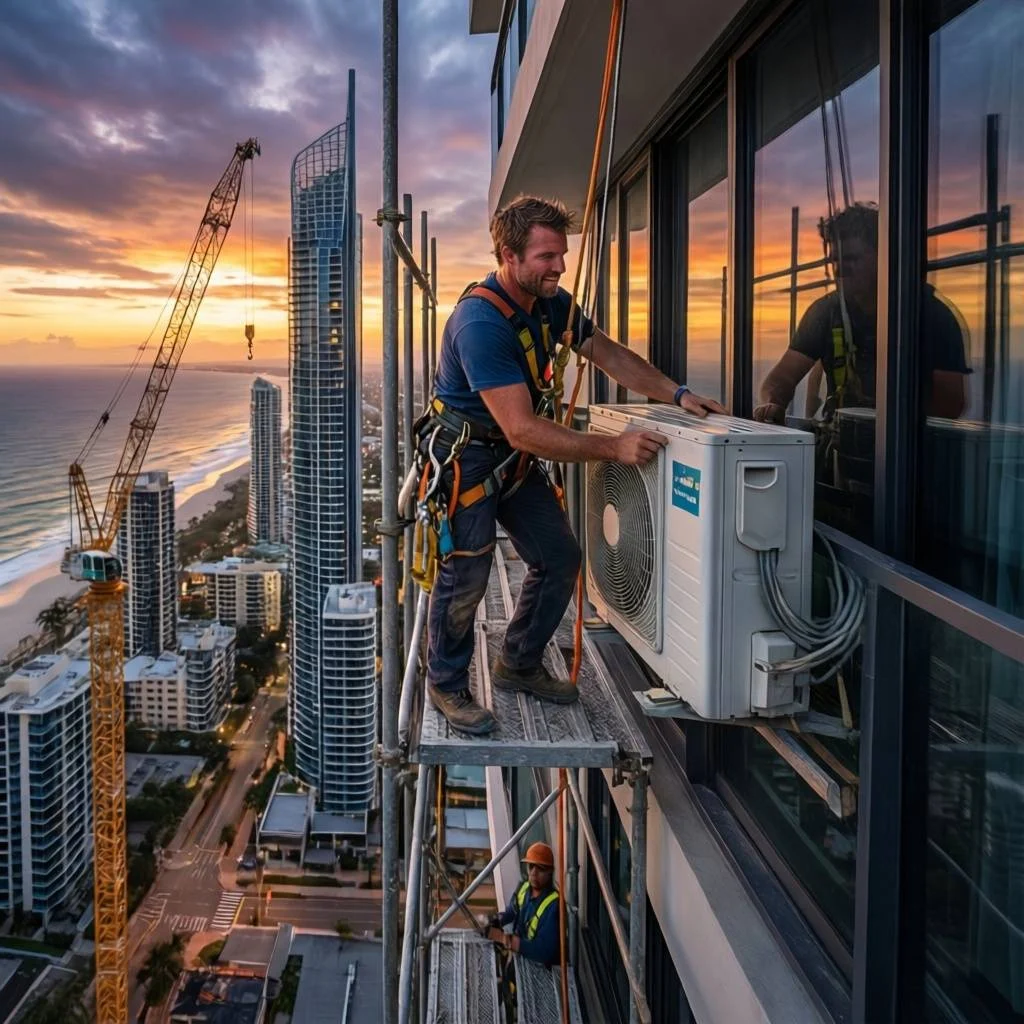
Once you have selected the right split system air conditioner for your home, it is essential to have it installed by a licensed professional. Professional installation ensures that your unit operates safely, efficiently, and reliably. A licensed technician will assess your specific needs, recommend the best location for the indoor and outdoor units, and ensure that the installation complies with all relevant Australian standards and regulations.
Choosing the right split system air conditioner for your home is a decision that should not be taken lightly. By considering the factors outlined in this guide, you can make an informed decision that meets your specific needs and ensures optimal performance, energy efficiency, and comfort for years to come. If you are unsure about which unit is right for you, consult with a licensed and experienced technician who can provide expert advice tailored to your situation. Melbourne Split Systems is here to help you with all your air conditioning needs, from advice and sales to expert installation and aftercare. Contact us today for more information on 0420 718 827.