



what size split system air conditioner is right for your home?
WHAT SIZE SPLIT SYSTEM AIR CONDITIONER
COMPLETE AIR CON SIZING GUIDE FOR MELBOURNE
| Room Size / Type | Area (m²) | KW RATING |
|---|---|---|
| Small Bedroom | 12-16 | 2.0kW |
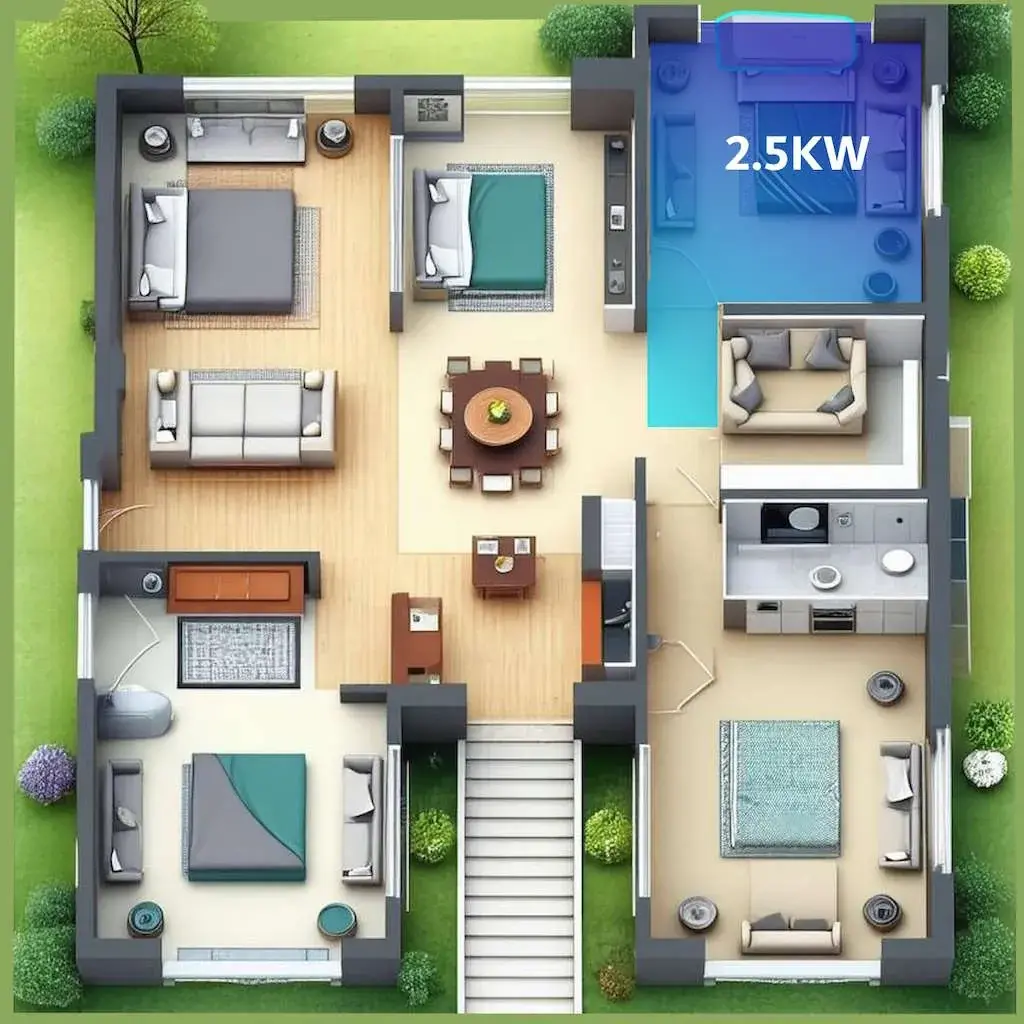
| Standard Bedroom | 18 | 2.5kW |
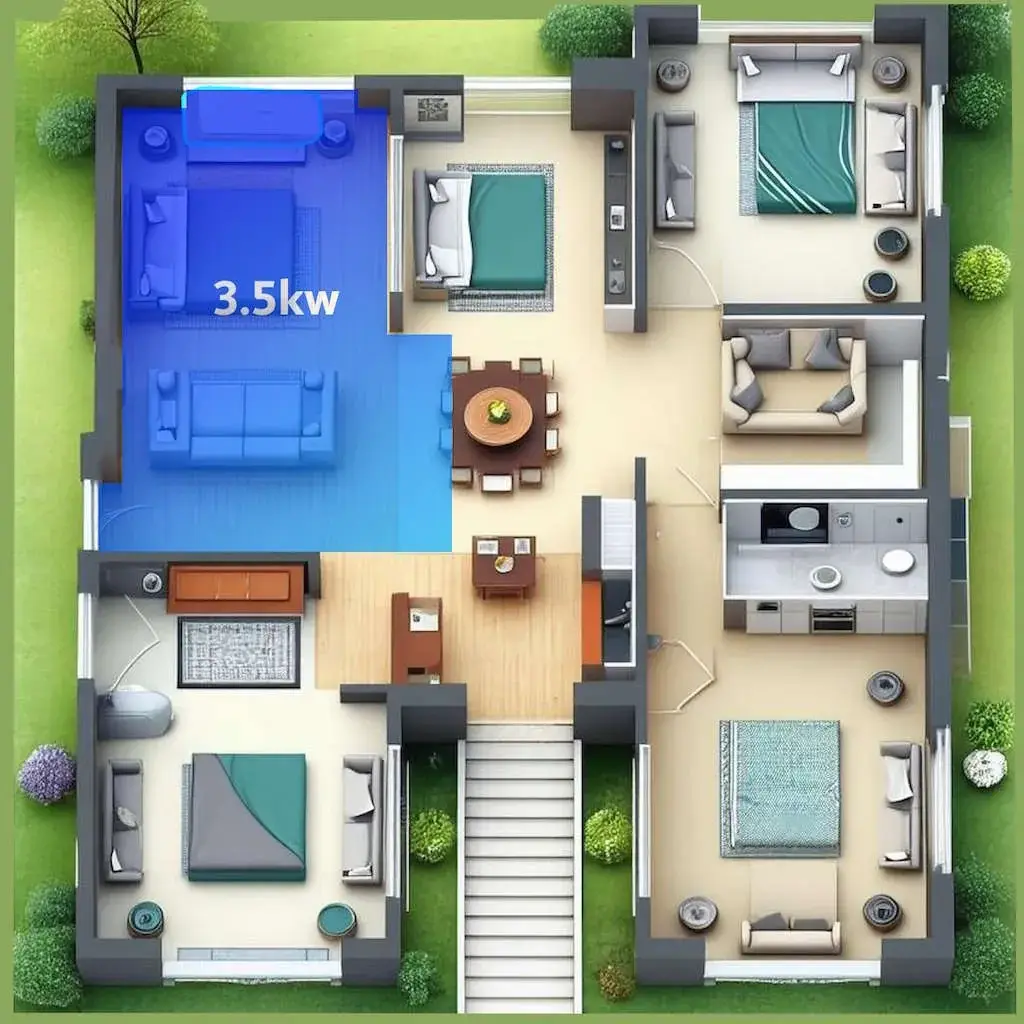
| Large Bedroom / Study | 18-25 | 3.5kW |
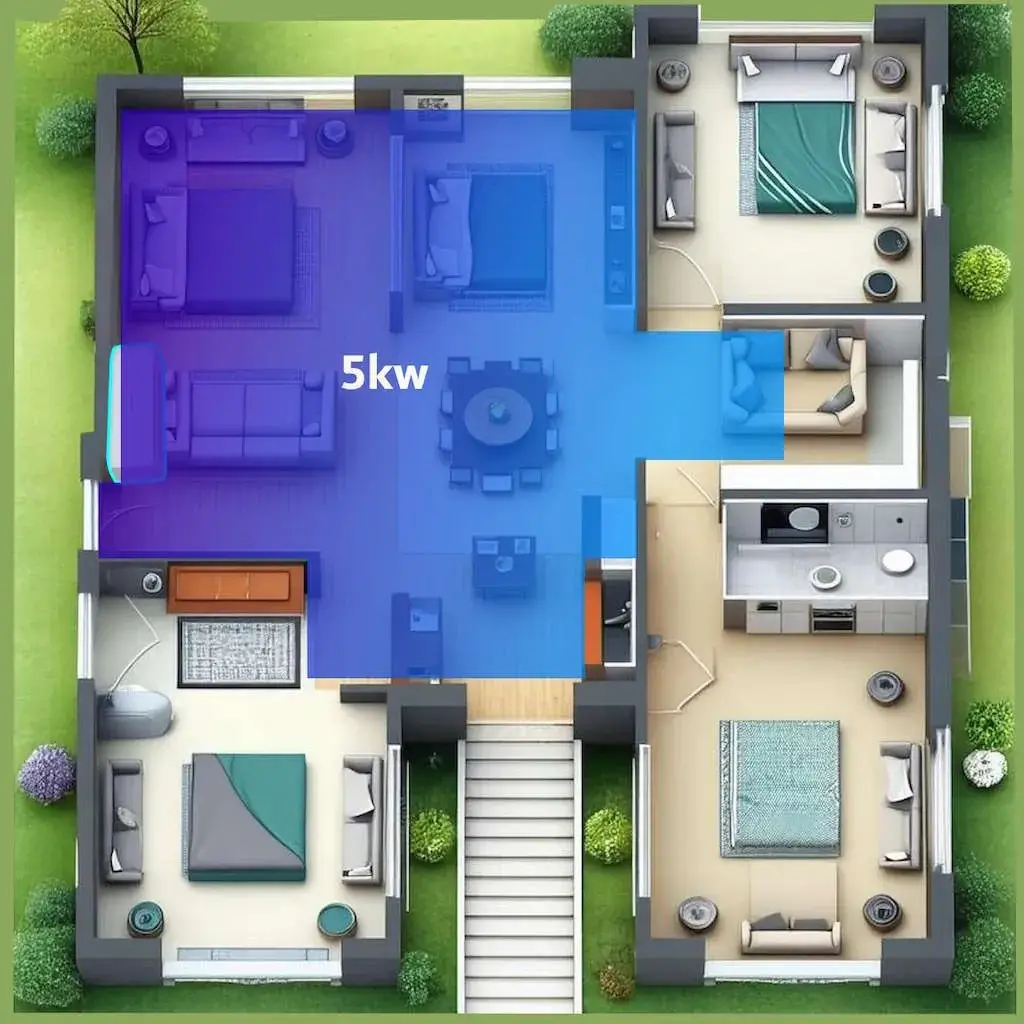
| Small Living Room / Flat / Townhouse | 28-35 | 5.0kW |
| Open Plan Living Area / Medium Home | 45 - 65 | 7.0kW |
| Very Large Open Plan / High Ceilings | 65+ | 8.0+kW |
These figures are a fantastic starting point and cover a significant majority of residential heating needs in Melbourne. If your space fits neatly into one of these categories, you’re likely on the right track. But if you’re like us and want to understand why these numbers are recommended, or if your home is a bit unique, keep reading!
CORRECT SIZE SPLIT SYSTEM PER ROOM
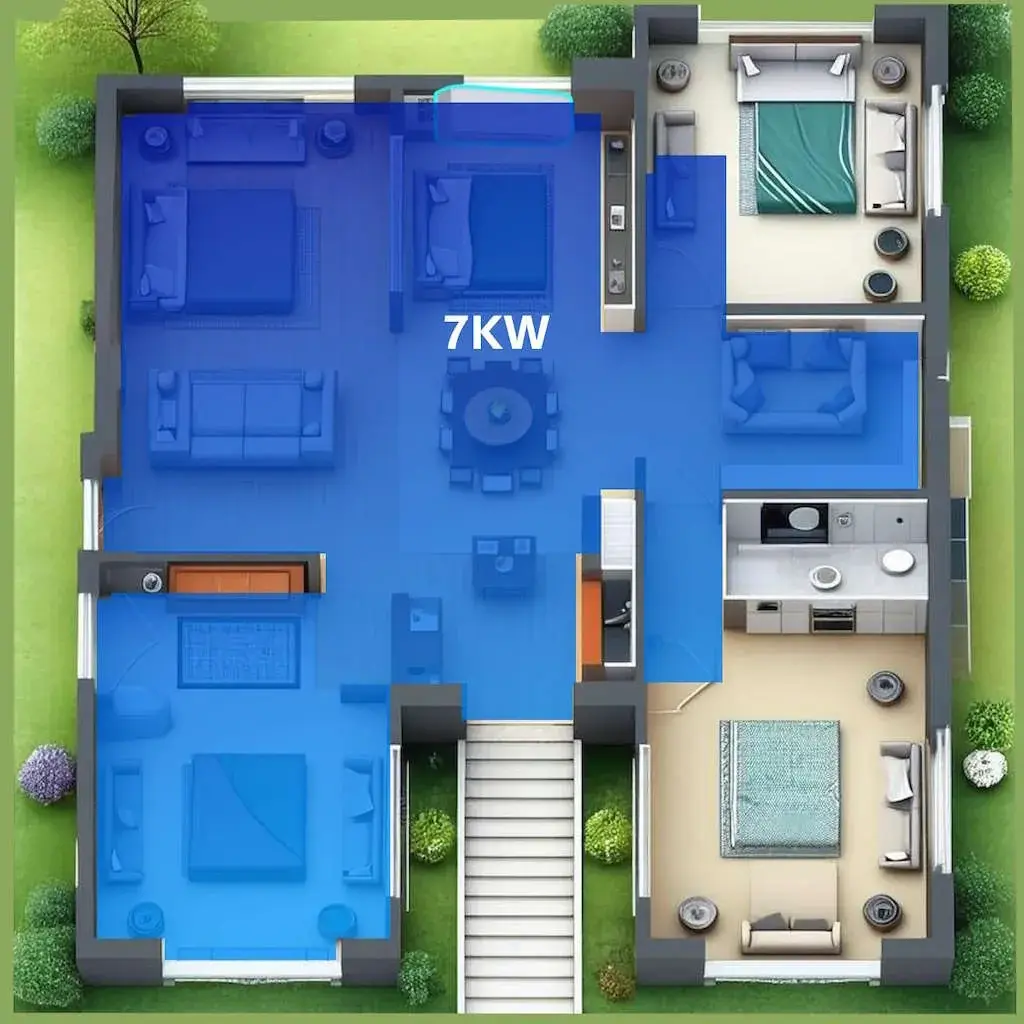
As you may know, Melbourne winters are notorious for their chill, which is why a reliable and efficient heating system is not just a luxury, but a necessity. In this context, when it comes to keeping your home toasty during the colder months, a split system air conditioner – often referred to as a reverse cycle air conditioner – has become an incredibly popular and effective choice among homeowners.
What size split system air conditioner is actually right for your Melbourne home? This is where things get a bit more complex, because choosing the correct size goes far beyond mere comfort. In fact, it directly impacts energy efficiency, the longevity of your unit, and, ultimately, your long-term expenses.
An undersized unit will struggle to heat your space effectively. As a result, it will run constantly at full capacity, which not only drives up your power bills but also causes the system to wear out prematurely. However, an oversized unit presents its own set of problems. It tends to short cycle that is, turning on and off too frequently. This behavior wastes energy, leads to uneven heating, and can also increase running costs over time.
Given these considerations, its clear that finding the right balance is crucial. This comprehensive guide is designed to cut through the confusion. Whether youre looking for quick, practical answers or detailed technical explanations, we’ve got you covered. By the end, youll be well-equipped to make the best decision for your Melbourne property. One that ensures comfort, efficiency, and value for years to come.
DETAILED SPLIT SYSTEM SIZING GUIDE
While the quick guide is handy, getting the sizing just right often requires a deeper look. In fact, several factors influence the heating load of a room, and understanding these can help fine-tune your choice of split system air conditioner.
The Core Principle: Kilowatts (kW) Explained
When we talk about the size of a split system, were referring to its heating (or cooling) capacity, measured in kilowatts (kW). This isnt about the physical dimensions of the unit, but rather its power output. Simply put, a higher kW rating means the unit can produce more heat.
The Melbourne Factor: Why Heating is Key
Unlike many other Australian cities, Melbourne experiences genuinely cold winters. As a result, while cooling capacity is important for summer, the primary function for many homeowners is efficient heating. When selecting a reverse cycle split system, its worth noting that most units have a slightly higher heating capacity than cooling capacity, which is a big bonus for our cooler climate.
The Detailed Calculation: How to Get Precise
Ready to roll up your sleeves? If you want to move beyond the general guidelines and get a more precise estimate for what size split system air conditioner you need, heres how to do it. This time, well consider the specific characteristics of your room.
REAL WORLD SIZING SCENARIOS
| STANDARD BEDROOM | NOT UNLIKE YOUR OWN |
|---|---|
| Room Size | 3m x 4m = 12m² |
| Insulation | Moderate (Newer building) |
| Windows | Standard double-glazed |
| Calculation | 12m² x 160W/m² = 1.92kW |
| Recommendation | 2.5kW split system |
| STANDARD LOUNGE | IN YOUR LOCAL HOOD |
|---|---|
| Room Size | 8m x 5m = 40m² |
| Insulation | Good ceiling/floor, moderate walls |
| Windows | Large bi-fold doors + standard windows |
| Calculation | 40m² x 160W/m² = 6.4kW |
| Recommendation | 7.0kW split system |
| OPEN PLAN | HIGH CEILINGS / LARGE AREA |
|---|---|
| Room Size | 7m x 6m = 42m² |
| Insulation | Excellent (Modern construction) |
| Windows | Large, double-glazed, west-facing |
| Ceiling Height | 3.5m (High) |
| Calculation | Base 6.72kW + 30% adjustment = 8.7kW |
| Recommendation | 8.0kW - 9.0kW split system |
ILLUSTRATED

CORRECT SIZING MAXIMIZES EFFICIENCY. COST YOU LESS TO RUN
Maximising Your Split Systems Efficiency in Melbourne
Once you’ve installed the right-sized split system, here are some tips to ensure it runs as efficiently and cost-effectively as possible, especially during those cold Melbourne months:
1. Seal Those Drafts: Even the best split system will struggle if heat is constantly escaping. Check around windows, doors, and even power outlets for drafts and seal them up.
2. Insulate: If your home lacks adequate insulation in the ceiling, walls, or floor, this is one of the best investments you can make to reduce your heating bills. In fact, proper insulation can dramatically improve your systems performance.
3. Use Curtains and Blinds: Keep them closed at night to trap heat in, and open them on sunny winter days to benefit from passive solar gain.
4. Set the Right Temperature: Every degree higher you set your thermostat can increase energy consumption. Aim for a comfortable but not excessive temperature (e.g., 2022C).
5. Regular Maintenance: Cleaning your filters once a year is an easy task that will prolong the life of your AC and help it run more efficiently. Additionally, scheduling a professional service every couple of years ensures optimal performance.
ADVERTISED SIZES : YOUR SPLIT SYSTEM WILL ALWAYS HAVE MORE POWER ON HEATING
Any split system advertised at 2.5kW will heat with an extra kW of power. This is because the primary purpose of splits until recently was cooling, so the cooling capacity is whats advertised on the box. In the colder climates where splits are now being used for heating purposes, any (reverse cycle) system will be approximately 1kW more powerful on heating than the advertised power rating. A 7.1kW system cools with 7kW of power, but can easily achieve 8kW or more of heating.
Additionally, the unit must be reverse cycleotherwise, it wont heat at all. If it is a reverse cycle, then no further special markings or manufacturing is required. You can be confident that the system you buy will exceed its rated output by a kW when used in reverse.
SPLIT SYSTEM SIZING GUIDE
The correct size split system air conditioner for your home or apartment in Melbourne is easy. If you are an air conditioning man. But if you’re not that’s ok too.
You can see inside his head for free.**
**Mostly because there’s nothing else in there to see.
Many installers try to make correct air conditioner sizing into a complex physics calculation. It’s totally not. You don’t even need to read this page just look at the pictures. Dead Easy.
THE EASY WAY
HEATING A SPACE EASIER THAN COOLING
As you may know, Melbourne winters are notorious for their chill, which is why a reliable and efficient heating system is not just a luxury, but a necessity. In this context, when it comes to keeping your home toasty during the colder months, a split system air conditioner – often referred to as a reverse cycle air conditioner – has become an incredibly popular and effective choice among homeowners.
What size split system air conditioner is actually right for your Melbourne home? This is where things get a bit more complex, because choosing the correct size goes far beyond mere comfort. In fact, it directly impacts energy efficiency, the longevity of your unit, and, ultimately, your long-term expenses.
| Room Type (Size) | Rating |
|---|---|
| Standard Bedroom (up to 18m²) | 2.5kW |
| Large Bedroom / Small Living Area (18-30m²) | 3.5kW |
| Apartment Lounge Room (30-45m²) | 5.0kW |
| Open Plan Living Area / Medium Home (45-65m²) | 7.0kW |
| Very Large Open Plan / High Ceilings (65m²+) | 8.0kW+ |
An undersized unit will struggle to heat your space effectively. As a result, it will run constantly at full capacity, which not only drives up your power bills but also causes the system to wear out prematurely. However, an oversized unit presents its own set of problems. It tends to short cycle that is, turning on and off too frequently. This behavior wastes energy, leads to uneven heating, and can also increase running costs over time.
Given these considerations, its clear that finding the right balance is crucial. This comprehensive guide is designed to cut through the confusion. Whether youre looking for quick, practical answers or detailed technical explanations, we’ve got you covered. By the end, youll be well-equipped to make the best decision for your Melbourne property. One that ensures comfort, efficiency, and value for years to come.
DETAILED SPLIT SYSTEM SIZING GUIDE
While the quick guide is handy, getting the sizing just right often requires a deeper look. In fact, several factors influence the heating load of a room, and understanding these can help fine-tune your choice of split system air conditioner.
The Core Principle: Kilowatts (kW) Explained
When we talk about the size of a split system, were referring to its heating (or cooling) capacity, measured in kilowatts (kW). This isnt about the physical dimensions of the unit, but rather its power output. Simply put, a higher kW rating means the unit can produce more heat.
The Melbourne Factor: Why Heating is Key
Unlike many other Australian cities, Melbourne experiences genuinely cold winters. As a result, while cooling capacity is important for summer, the primary function for many homeowners is efficient heating. When selecting a reverse cycle split system, its worth noting that most units have a slightly higher heating capacity than cooling capacity, which is a big bonus for our cooler climate.
The Detailed Calculation: How to Get Precise
Ready to roll up your sleeves? If you want to move beyond the general guidelines and get a more precise estimate for what size split system air conditioner you need, heres how to do it. This time, well consider the specific characteristics of your room.
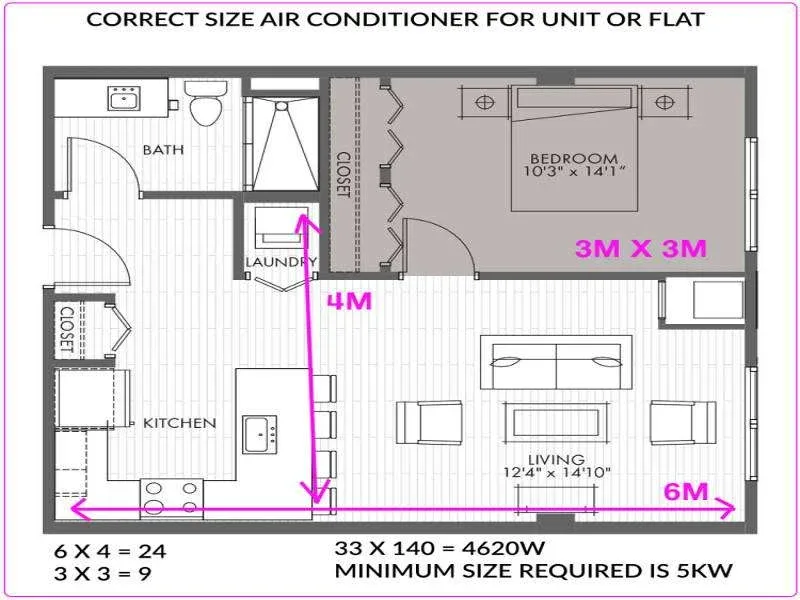
REAL WORLD SIZING SCENARIOS
Let’s look at some common Melbourne home types and how to apply our knowledge of what size split system air conditioner is appropriate for heating.
Scenario 1: The Inner-City Apartment Bedroom
Room Size: 3m x 4m = 12m²
Insulation: Often moderate to good in newer buildings, but older apartments can vary. Let’s assume moderate.
Windows: Standard double-glazed window.
Calculation: 12m² x 160W/m² = 1920W = 1.92kW
Recommendation: A 2.5kW split system is perfect here. It provides a comfortable buffer for those really cold Melbourne nights and operates efficiently.
Scenario 2: The Open-Plan Living/Dining in a Renovated Edwardian
Room Size: 8m x 5m = 40m²
Insulation: Renovated, so improved, but older external walls might still lose heat. Let’s say good ceiling/floor, moderate walls.
Windows: Large bi-fold doors leading to a courtyard, plus standard windows.
Ceiling Height: Standard 2.7m.
Calculation: 40m² x 160W/m² = 6400W = 6.4kW
Considerations: Large windows, open plan, potential for some heat loss through older walls.
Recommendation: A 7.0kW split system would be ideal. The slight increase from the raw calculation accounts for the larger windows and the open-plan nature, ensuring comfortable heating throughout.
Scenario 3: A Large, High-Ceilinged Lounge Room in a Modern Home
Room Size: 7m x 6m = 42m²
Insulation: Excellent, modern construction.
Windows: Large, but double-glazed and west-facing (some afternoon sun gain).
Ceiling Height: 3.5m (significantly higher than standard).
Base Calculation: 42m² x 160W/m² = 6720W = 6.72kW
High Ceiling Adjustment: (3.5m / 2.7m) 6.72kW ≈ 1.3 6.72kW ≈ 8.7kW (roughly a 30% increase for the extra volume).
Recommendation: An 8.0kW or even 9.0kW split system might be necessary here due to the significant air volume. This is where professional advice becomes invaluable.
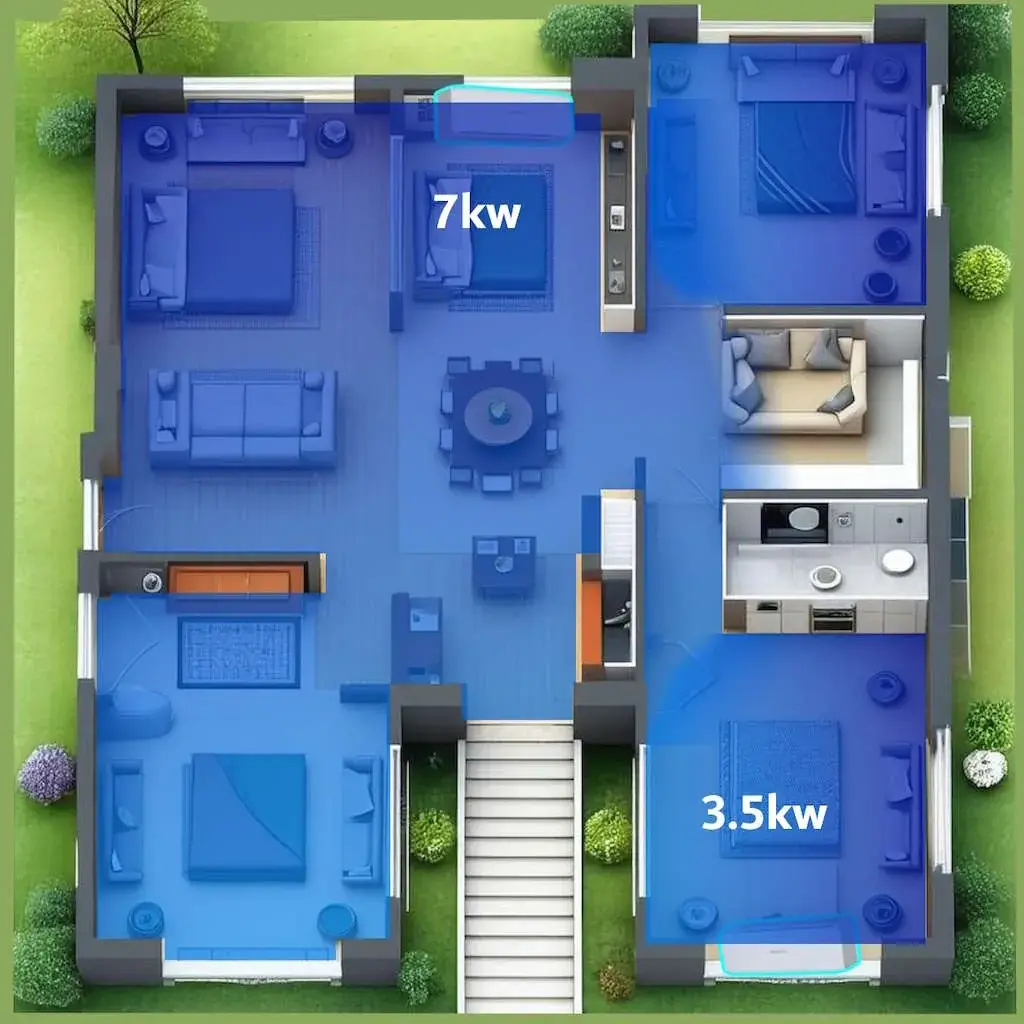
CORRECT SIZING MAXIMIZES EFFICIENCY. COST YOU LESS TO RUN
Maximising Your Split Systems Efficiency in Melbourne
Once you’ve installed the right-sized split system, here are some tips to ensure it runs as efficiently and cost-effectively as possible, especially during those cold Melbourne months:
1. Seal Those Drafts: Even the best split system will struggle if heat is constantly escaping. Check around windows, doors, and even power outlets for drafts and seal them up.
2. Insulate: If your home lacks adequate insulation in the ceiling, walls, or floor, this is one of the best investments you can make to reduce your heating bills. In fact, proper insulation can dramatically improve your systems performance.
3. Use Curtains and Blinds: Keep them closed at night to trap heat in, and open them on sunny winter days to benefit from passive solar gain.
4. Set the Right Temperature: Every degree higher you set your thermostat can increase energy consumption. Aim for a comfortable but not excessive temperature (e.g., 2022C).
5. Regular Maintenance: Cleaning your filters once a year is an easy task that will prolong the life of your AC and help it run more efficiently. Additionally, scheduling a professional service every couple of years ensures optimal performance.
ADVERTISED SIZES : YOUR SPLIT SYSTEM WILL ALWAYS HAVE MORE POWER ON HEATING
Any split system advertised at 2.5kW will heat with an extra kW of power. This is because the primary purpose of splits until recently was cooling, so the cooling capacity is whats advertised on the box. In the colder climates where splits are now being used for heating purposes, any (reverse cycle) system will be approximately 1kW more powerful on heating than the advertised power rating. A 7.1kW system cools with 7kW of power, but can easily achieve 8kW or more of heating.
Additionally, the unit must be reverse cycle, otherwise, it wont heat at all. If it is a reverse cycle, then no further special markings or manufacturing is required. You can be confident that the system you buy will exceed its rated output by a kW when used in reverse.