

If your co-working space is expanding and you need reliable climate control across multiple tenancies, a multi-head split system with individual metering can prevent power-cost disputes and lift your return on investment by up to 18 %.
How a 3-head setup cuts disputes
A three-head system serves three separate zones—typically the main lounge or reception, a quiet work pod, and a private meeting room. Each zone has its own air-handler and its own electricity meter. When a space is occupied, its tenant pays the metered draw; when it sits empty, the landlord isn’t subsidising the running cost. Because meters are downstream of the indoor units, the landlord can still read usage remotely via sub-metering hardware. The result is transparent billing and far fewer arguments over who owes what.
Installation basics on a commercial ceiling
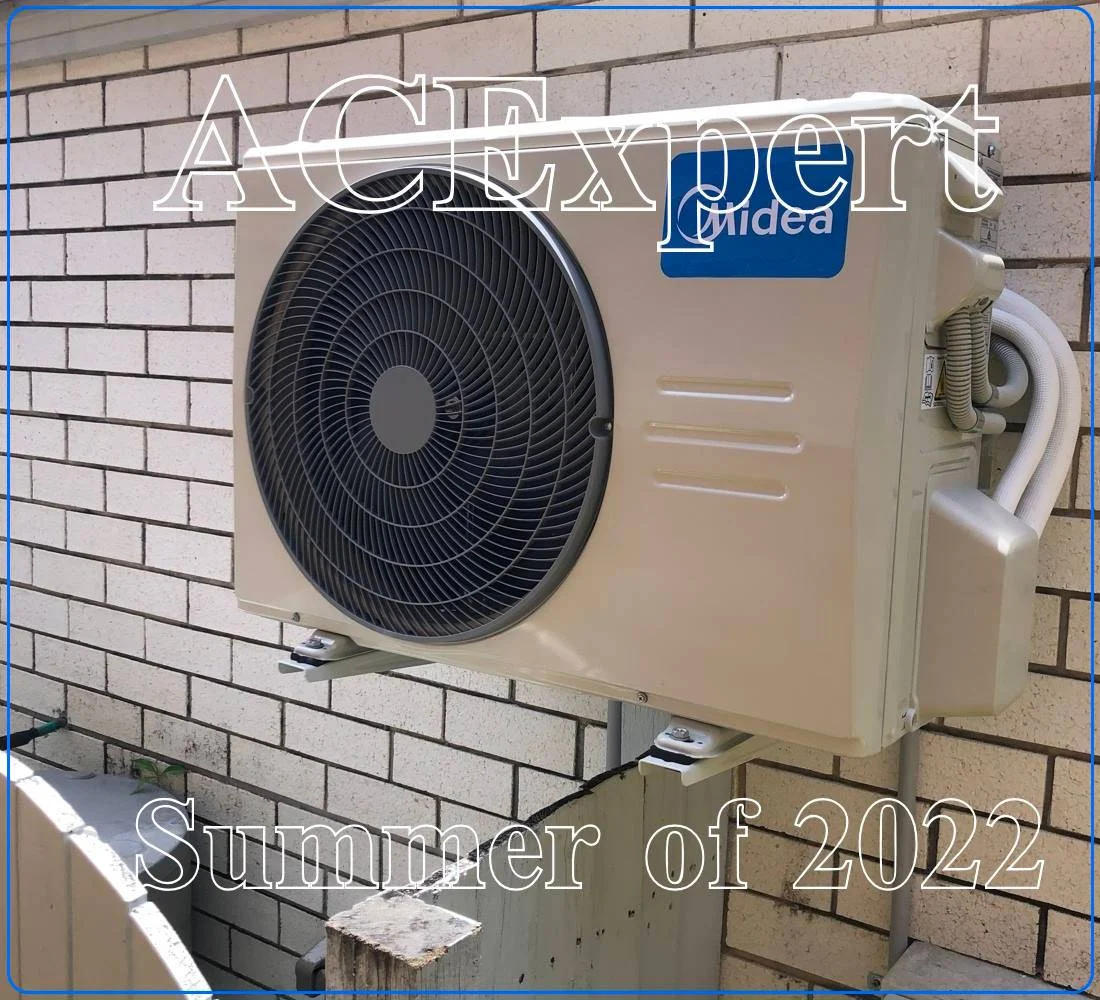
Installation starts with a site survey to pick the outdoor unit’s location, usually on a roof or external wall, then run refrigerant and drain lines to each ceiling-mounted indoor unit. Rigid aluminium piping is run in parallel with minimal bends to keep refrigerant flow even. Each indoor unit gets its own isolating switch so the electrician can power it down for future maintenance without affecting the others. Expect one to two days on site for a three-zone fit-out in a typical 80–120 m² co-working floor.
Room-by-room sizing that stops overkill
Sizing should be done with the landlord—not the loudest tenant. Measure each room’s volume, note ceiling height and glazing area, then use the manufacturer’s capacity chart for your chosen brand. For a 6 m × 5 m open-plan lounge with high ceilings, a 7.1 kW unit is usually enough. For a 4 m × 3 m meeting room, 2.6 kW suffices. Matching output to load prevents the 18 % energy waste you see when oversized units short-cycle and run inefficiently. Ask your installer for the load calculation sheet before any hardware is ordered.
Quiet operation rules
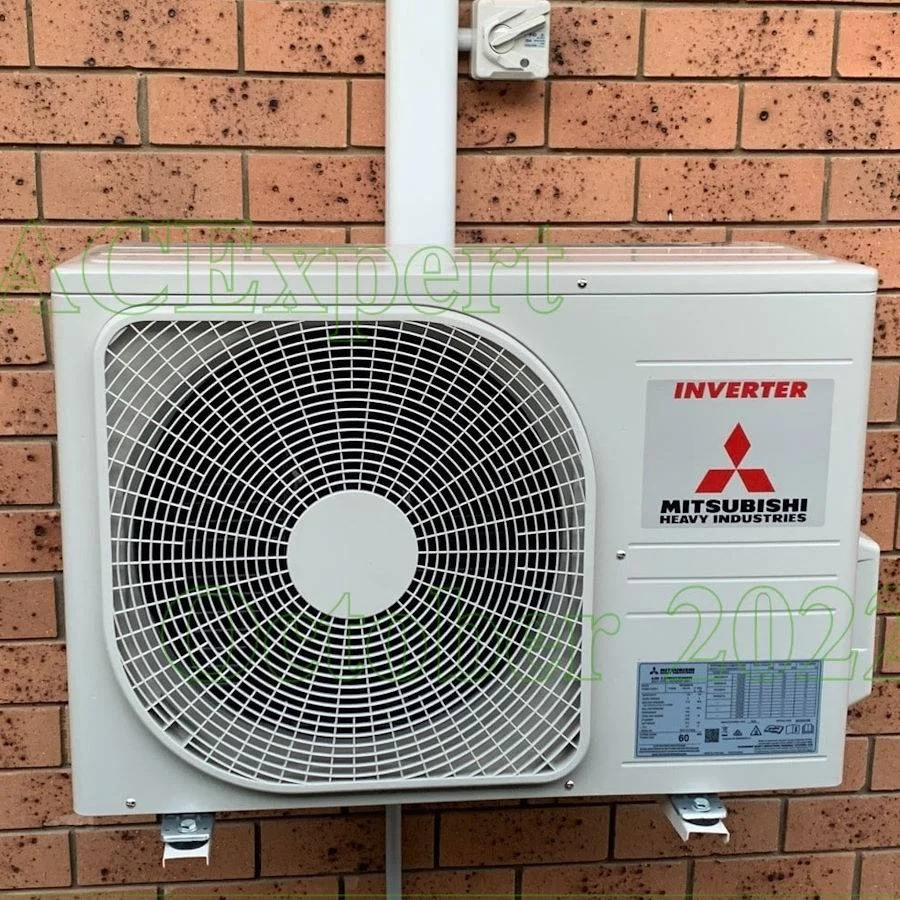
Co-working spaces need low noise. Look for indoor units tagged 19–23 dB(A) at low speed. On a 3-head system that lets you run two heads at quiet speed while the third handles peak demand without turning into a turbine. Confirm the outdoor unit’s noise rating on the spec sheet and site it away from tenant windows and café seating areas.
Metering options for landlords
Basic metering means three separate power circuits back to the main switchboard, each feeding one indoor unit and metered by the landlord’s existing sub-metering infrastructure. More advanced setups use smart meters that send daily usage to a web portal so tenants can see their actual draw and adjust usage habits. Either route avoids the cost of installing a whole new energy retailer account per tenancy, which would eat into your new-found 18 % saving.
Trade-off: initial cost vs. ongoing disputes
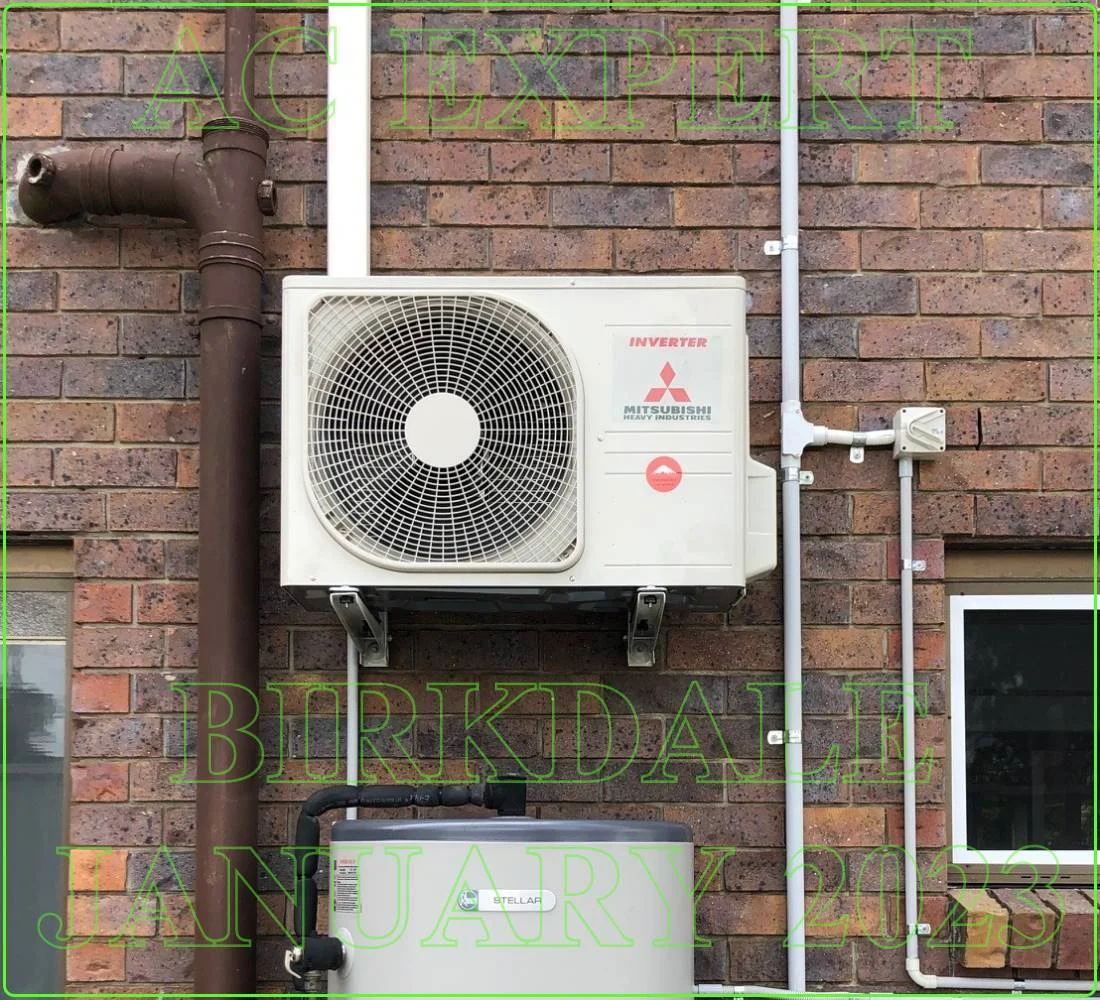
A three-head Mitsubishi MSZ-LN unit plus outdoor MXZ multi system retails around $6–8 k installed, versus about $4 k for three single-split alternatives using wall-mounted units without metering. The difference is paid back in 14–18 months when you factor in avoided arguments over power bills and the ability to charge premium tenancy rates for fully metered spaces. When a dispute is avoided, you keep both tenant and agent happy—rare enough in co-working centres to be worth the upfront cash.
Permits and compliance you can’t skip
Split systems over 10 kW total capacity trigger Victorian Building Authority (VBA) compliance checks; a 3-head residential line like Mitsubishi’s MSZ-ZM meets that threshold but still needs a refrigeration mechanic’s licence to handle the refrigerant circuit. Your installer should pull the permit and supply the mandatory compliance certificate and refrigerant log. Skipping this step risks a fine and an invalid insurance claim if a tenant alleges faulty installation. Always ask to see the Refrigerant Handling Licence number before work starts.
Future-proof wiring for add-ons
Run a 20 A three-phase circuit back to the switchboard even if your outdoor unit is single-phase today. It costs a few extra metres of cable and a larger breaker but lets you add a fourth head or upgrade to a larger outdoor unit without ripping open walls. Co-working spaces rarely shrink, so plan for growth once—your ROI rises even further when the next pod opens without a new electrical tender.
Real co-working case in Fitzroy
After a 40 % rise in power disputes, a 110 m² Fitzroy co-working operator switched to a three-head system with smart sub-metering. Within six months, tenant satisfaction scores on climate control rose from 68 % to 94 % and the landlord recouped the upgrade cost through a 15 % increase in tenancy rates tied to metered consumption. Meter readings showed the empty pods drew less than 100 kWh per month combined—proof that idle space stops subsidising someone else’s coffee budget.