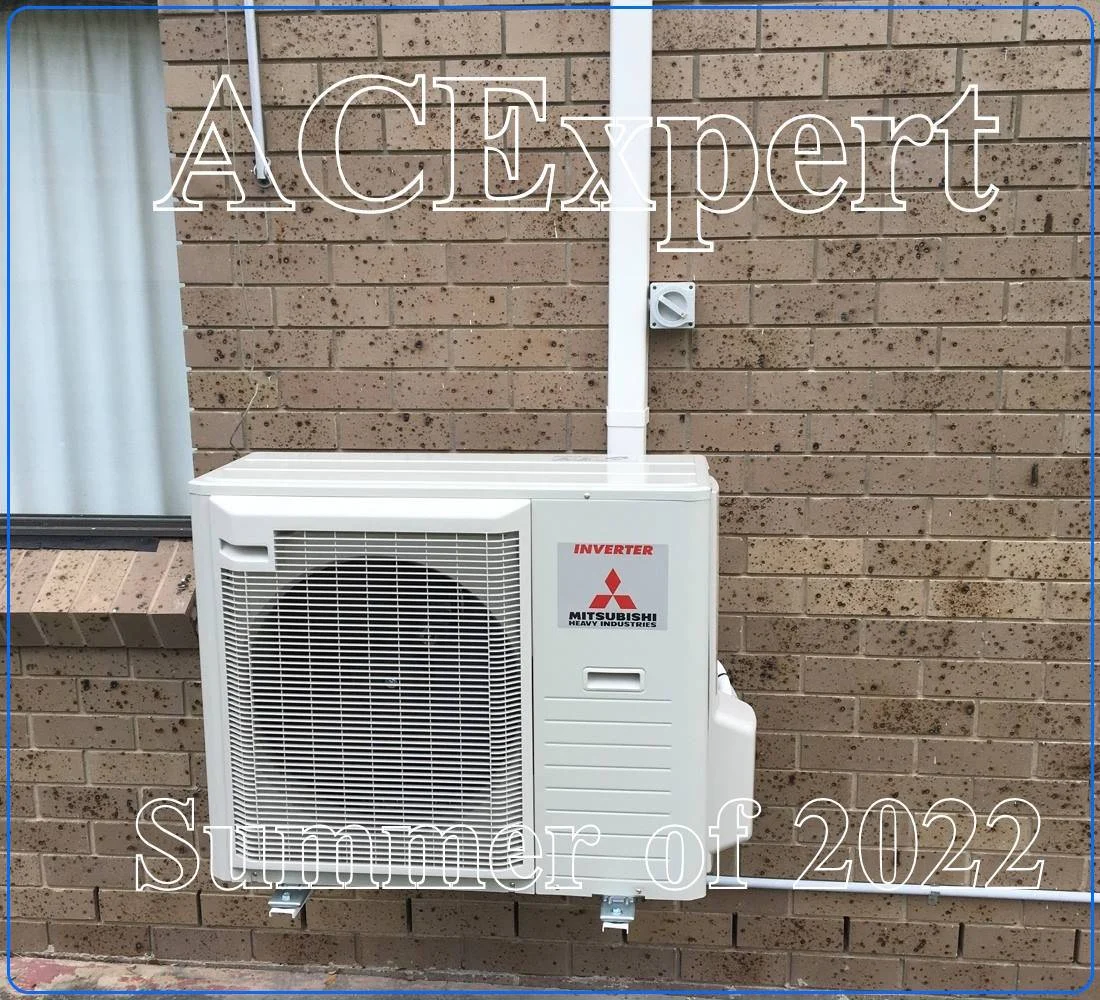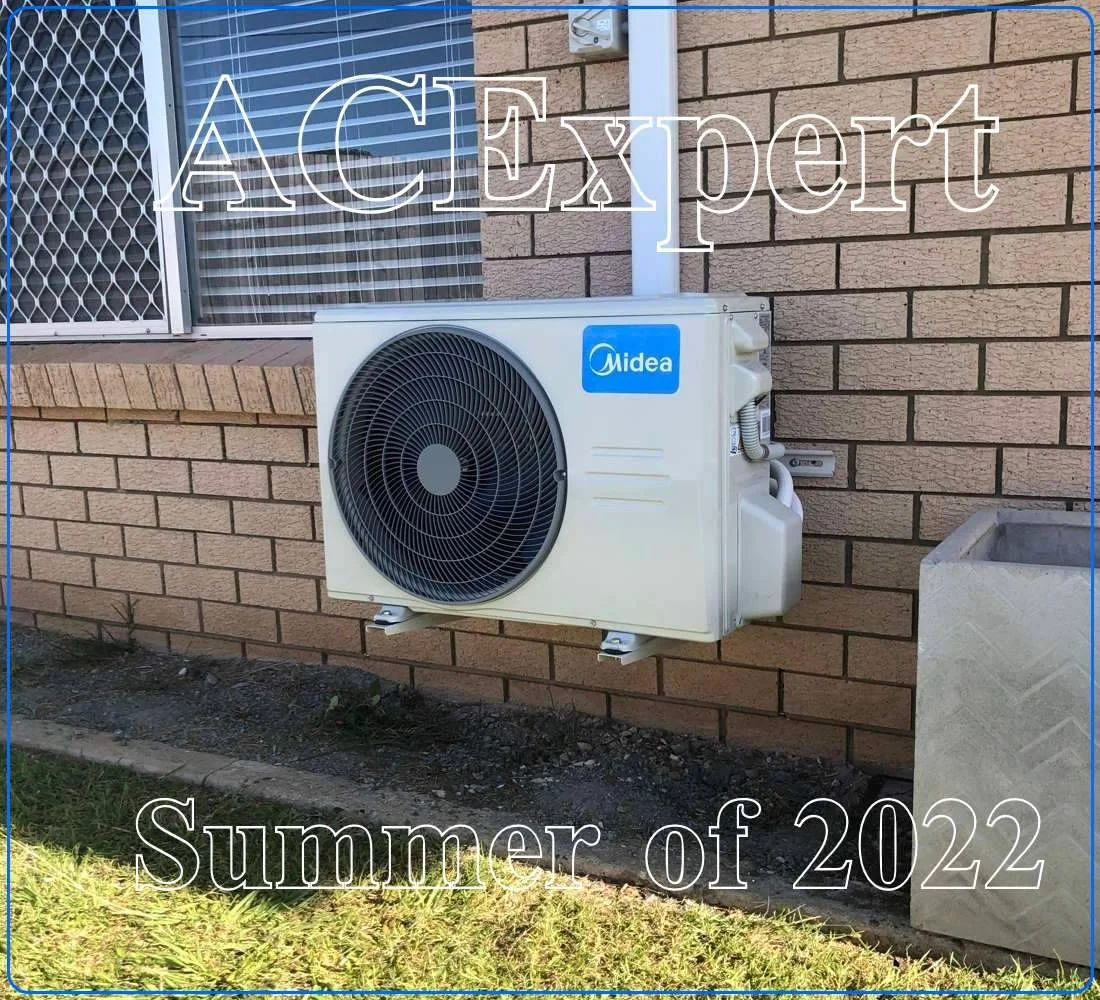

Intro. Mention split system for veterinary clinics provides reliable heating/cooling. In Melbourne, extremes. Low noise outdoor unit not disturb dogs cats; antimicrobial coated indoor unit. Use keyword first sentence maybe.
Why Climate Control Matters Here
Animal stress, recovery, staff. Temp stability. Humidity maybe.
Low Noise Outdoor Units Help
Compressor noise, dogs hearing, stress. Outdoor placement away from runs. Quiet operation. Some units have silent mode. Not all units equal; check sound power.
Placement Away From Animal Areas
courtyard etc.
Antimicrobial Coatings Improve Hygiene
Indoor filtered air, surfaces in unit can grow fungi/bacteria. Coatings on filter, fan, coil inhibit growth. Important for vet clinics. Does not replace cleaning but helps. Use keyword? Maybe no.
Where Coated Surfaces Matter
- evaporator coil, condensate pan, fan barrel, filters
Split System Benefits for Vet Clinics
keyword. Zone control, independent rooms, no duct cross contamination. One outdoor can serve multiple indoor multi-split? Actually split system one indoor one outdoor typically; multi-head possible. Mention multi-split for separate kennels and surgical rooms.
Correct Sizing Prevents Problems
Oversizing short cycles poor humidity, undersizing struggle. Need room size insulation windows animal heat load. Commercial tech assessment.
Heat Load From Animals
Groups of dogs etc.
Placement and Airflow Basics
No direct drafts on cages/recovery. Position high wall or floor console. Avoid blowing on surgical areas.
Maintenance for Air Quality
Filters clean monthly in clinic? realistic. Coil. Condensate. Professional checks.
Licensed Installation Matters
Refrigerant handling, electrical, drainage. Melbourne rules. Illegal install risk.
What to Ask Your Installer
- sound levels, anti-microbial option, calculation, drainage, access, warranty, maintenance schedule

Common Mistakes to Avoid
- oversizing, cheap unit, placing outdoor near kennels, ignoring drainage, skipping filter access, no zone plan
Final Word
summary.>
Need word count exactly. We’ll write then count mentally. Need ensure keyword in first para, at least 4 up to 12. Use maybe 7. Need not stuff. Let’s draft actual content.
Need avoid fake stats. Could mention “hearing range of dogs extends well beyond human hearing” general fact okay. “Many quiet outdoor units are rated around 45–50 dB(A) at one metre” might be specific but not fake? We can avoid exact dB numbers or say “lower sound levels”. But “sound power levels are published by manufacturers.” No fake stats. Could mention “Some models run at much lower fan speeds at night.” Fine. No prices.
Need no inline style. Use only
-
. The heading max 6 words. Need each heading could count words: “Why Climate Control Matters Here” 5; “Low Noise Outdoor Units Help” 5; “Placement Away From Animal Areas” 5; “Antimicrobial Coatings Improve Hygiene” 4? Actually 4 words: Antimicrobial(1) Coatings2 Improve3 Hygiene4. “Where Coated Surfaces Matter” 4. “Split System Benefits for Vet Clinics” 5. “Correct Sizing Prevents Problems” 4. “Heat Load From Animals” 4. “Placement and Airflow Basics” 4. “Maintenance for Air Quality” 4. “Licensed Installation Matters” 3. “What to Ask Your Installer” 5. “Common Mistakes to Avoid” 4. “Final Word” 2. All <=6.
Need include focus keyword in at least one h2/h3. Use H2 "Split System Benefits for Vet Clinics" contains split system + vet clinics not exact "split system for veterinary clinics" but close variant. The brief says keyword or very close variant. It's okay. Maybe better H3 "Choosing a Split System for Veterinary Clinics" = 6? Choosing(1) a2 Split3 System4 for5 Veterinary6 Clinics7 = 7 too many. "Split System for Veterinary Clinics" is 5 but same as title. Could use H2 "Why Split Systems Suit Vet Clinics" 5. Contains "Split systems" close. Good. But need keyword includes "for veterinary clinics"? Let's use "Split System Benefits for Vet Clinics" as close. It technically has split system and vet clinics. Good. Use H2 maybe "Split System Suits Veterinary Clinics" 5 words. Hmm. Use exact? The focus keyword is title variant. Fine.
Need maybe first paragraph: "A split system for veterinary clinics must do two jobs at once: keep exam rooms and recovery areas at a steady temperature, and avoid adding stress to animals already on high alert." That has exact. Could add low noise and antimicrobial. First paragraph should strong.
Let's write full body. Need count 900-1300. I'll aim about 1100. Need no chain-of-thought in final. Let's draft carefully.
Draft body:
A split system for veterinary clinics must do more than cool or heat a room. It has to hold stable temperatures in consult rooms, recovery bays, and kennels without adding noise that unsettles dogs, cats, and smaller patients. In Melbourne, where summer heat and winter cold both arrive hard, the right split system for veterinary clinics also needs surfaces that do not quietly collect bacteria or mould. Low-noise outdoor units and indoor models with antimicrobial coatings are the two features worth checking first.
Then H2 Why Climate Control Matters Here
Animals recovering from surgery, sedation, or illness cannot regulate body temperature as well as healthy adults. Puppies, elderly dogs, and brachycephalic breeds are especially vulnerable to heat. A room that is too warm increases panting and stress. A room that is too cold slows circulation and slows recovery. In clinics holding boarded animals or wildlife, stable temperature also reduces aggression and noise.
Staff need reliable climate control too. Treatment rooms, surgical prep spaces, and dispensary benches generate heat from equipment and lights. A split system gives room-by-room control without needing ductwork, which is often too invasive or expensive to retrofit into an existing clinic.
H2 Low Noise Outdoor Units Help
Dogs hear frequencies far above the human range and pick up sound levels that staff may not notice. An outdoor condenser that cycles on with a sudden rattle or whine can keep kennelled dogs on edge for hours. The good news is that many modern split system condensers include quiet operating modes. Inverter-driven compressors ramp up gradually rather than slamming on, and fan blades are designed to move air without harsh blade-pass noise.
When comparing units for a veterinary clinic, ask for the outdoor sound power level at normal operating load. Position the condenser away from dog runs, recovery windows, and cattery openings. A unit placed in an alley, service yard, or roof plant area can keep the clinic calm even when it runs at high capacity on a 40-degree day.
H3 Placement Away From Animal Areas
Even a quiet outdoor unit can echo off brick or metal walls. Avoid placing the condenser under a covered walkway next to kennels, or directly outside a cat ward. If the only available spot is near animals, choose a model with an explicit night-quiet or silent mode and set it to restrict compressor speed during clinic hours.
Indoor fan noise matters just as much. Wall-mounted indoor heads should be set to low or auto fan in animal spaces. Avoid units that produce a sharp change in airflow when the compressor starts.
H2 Antimicrobial Coatings Improve Hygiene
Veterinary clinics deal with dander, hair, urine, faeces, and breath moisture every day. Inside an air conditioner, the evaporator coil, fan barrel, condensate tray, and filter housing are dark and damp when running in cooling or dehumidifying mode. That is a natural place for bacteria and mould to grow. Antimicrobial coatings on these internal surfaces are designed to inhibit the growth of microbes before they can establish a biofilm.
These coatings do not replace cleaning or medical-grade air filtration. They reduce one risk: the unit itself becoming a source of recirculated contamination. In a clinic where infection control is non-negotiable, that matters.
H3 Where Coated Surfaces Matter
- Evaporator coil: large surface area, constantly wet in cooling mode.
- Condensate tray: standing moisture can breed bacteria if the drain line slows.
- Fan barrel: hair and dust accumulate and retain moisture.
- Filter housing: the first surface air passes through; easy to overlook between filter changes.
H2 Split System Benefits for Vet Clinics
A split system for veterinary clinics allows one room to be heated while another is cooled. That is useful when a reptile consult room needs warmth while a dog recovery bay needs cooling. Multi-split systems can run several indoor heads from one outdoor unit, but each head must still be sized and placed for the room it serves.
Unlike ducted systems, split systems do not share return air across the whole clinic. That reduces cross-contamination between isolation areas and general wards. Each indoor unit recirculates the air in its own zone, which is a practical infection-control advantage when treating infectious patients.
H2 Correct Sizing Prevents Problems
An undersized split system runs constantly, fails to reach set temperature on hot afternoons, and puts animals under continued heat stress. An oversized system short-cycles, cools the air fast but does not run long enough to remove humidity, and leaves rooms feeling cold and clammy. In a veterinary clinic, both outcomes harm patients.
Room size is only the starting point. The heat load from animal occupants, lighting, sterilising equipment, computers, and west-facing windows can push a standard estimate well out of range. A proper load calculation should be done for each zone rather than using a single rule of thumb for the whole building.
H3 Heat Load From Animals
A kennel with ten medium dogs is not the same as an office with two people. Animals produce continuous body heat and moisture. Cages stacked against walls can block return airflow. Recovery rooms with heat mats or incubators add further load. The installer needs to see the room as it is used, not just measure square metres.
H2 Placement and Airflow Basics
Indoor units should not blow directly onto cages, recovery surfaces, or surgical prep tables. Drafts cause shivering in sedated animals and can disrupt sterile fields. High-wall units generally work well for waiting areas and offices, while floor console or ceiling cassette units may suit catteries and kennels with limited wall space.
Return air must not be blocked by shelving, feed bags, or stacked carriers. A blocked return causes the coil to ice and the unit to shut down when needed most. Keep at least the manufacturer’s recommended clearance around every indoor head.
H2 Maintenance for Air Quality
A split system for veterinary clinics needs more frequent filter attention than a home unit. Hair and dander load is higher, so filters should be checked weekly and cleaned when visibly loaded. A blocked filter reduces airflow, forces the compressor to work harder, and pushes air around the filter instead of through it.
Coils and condensate drains should be part of a scheduled service. In a clinic, a clogged drain can leak onto kennel floors or electrical equipment. Annual professional checks cover refrigerant charge, electrical connections, coil condition, and drain function.
H2 Licensed Installation Matters
Split system installation is not a handyman task. In Australia, refrigerant handling requires a licensed refrigeration mechanic. Electrical connections must be isolated and run correctly. Drainage must be graded so water cannot pool inside the unit. Incorrect flaring or pressure testing leads to refrigerant leaks, poor performance, and callouts that disrupt clinic operations.
A licensed installer will also confirm the outdoor unit is mounted on vibration isolators, the pipework penetration is sealed, and the condensate drain has a safe discharge point. These details are easy to miss and expensive to correct later.
H2 What to Ask Your Installer
- What is the outdoor sound level at normal and maximum load?
- Does the indoor unit include antimicrobial treatment on the coil and fan?
- Can the unit hold the room temperature within a narrow band?
- How easy is filter access for weekly cleaning?
- Where will the condensate drain discharge?
- Is the outdoor unit placed away from kennels and recovery windows?
- Are there zoning options for isolation areas?
H2 Common Mistakes to Avoid
- Choosing the cheapest wall unit without checking sound levels.
- Placing the outdoor condenser next to dog runs or cattery windows.
- Allowing drafts to blow directly onto sedated or recovering animals.
- Ignoring humidity control because the room feels cool enough.
- Skipping filter cleaning until the unit starts to smell.
- Using one oversized unit instead of zoning the clinic properly.
H2 Final Word
A split system for veterinary clinics should be selected around two non-negotiables: low-noise operation and surfaces that resist microbial growth. If the outdoor unit is quiet enough to run all day without disturbing patients, and the indoor unit is easy to access and keep clean, the system will support both animal comfort and infection control. Get the sizing right, place the units carefully, and commit to a realistic maintenance schedule. Done that way, the air conditioner stays in the background where it belongs—stable, unobtrusive, and doing its job.
Need count. Let’s estimate. I’ll count paragraphs roughly. Need 900-1300. This draft maybe around 1100. Let’s count. We can refine. Need ensure keyword count in body paragraphs at least 4, max 12. Let’s count exact occurrences:
1 intro: “A split system for veterinary clinics must do more…” and “the right split system for veterinary clinics also needs…” = 2 (count as phrase).
2 H2 “Split System Benefits for Vet Clinics” close variant maybe not exact but okay.
Paragraph “A split system for veterinary clinics allows one room…” = third.
Paragraph “A split system for veterinary clinics needs more frequent filter attention…” = fourth.
Final “A split system for veterinary clinics should be selected…” = fifth. Good. Maybe 5 exact plus heading close. Good.Need use keyword in first paragraph yes. At least one heading: H2 “Split System Benefits for Vet Clinics” close variant. Good.
Need ensure no h1, no html. Need output TITLE exactly, KEYWORD, BODY. The BODY content must start with HTML tags maybe
. The instructions: “BODY:n” We can include newline after BODY: and then HTML. Need no code fences. Ensure final starts TITLE:. Good.
Need maybe refine heading “Split System Benefits for Vet Clinics” uses “Vet” not “Veterinary”. The focus keyword is split system for veterinary clinics. Brief says close variant. Fine. But maybe better heading “Split System Suits Veterinary Clinics” = 5 words and contains full “Veterinary Clinics”. Need decide. It is likely okay. Could use