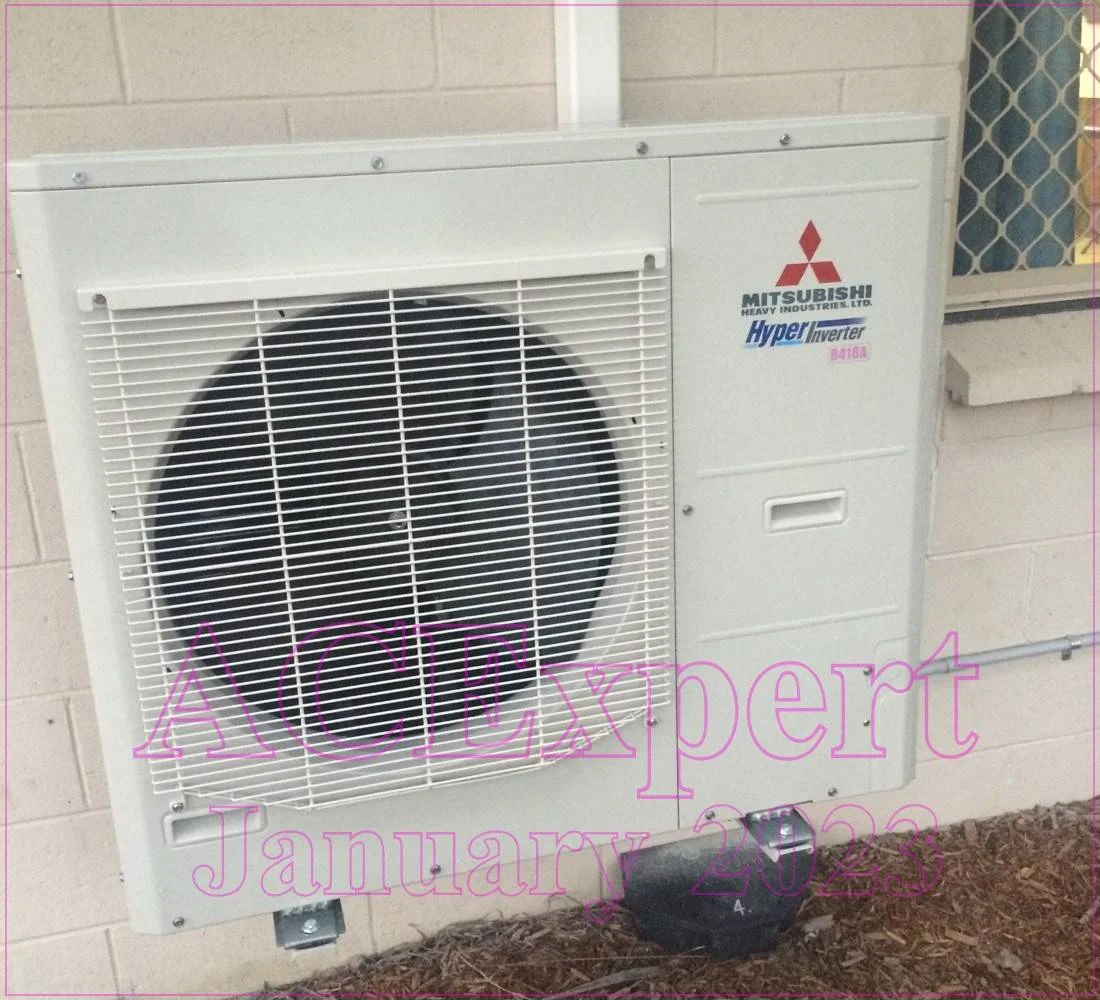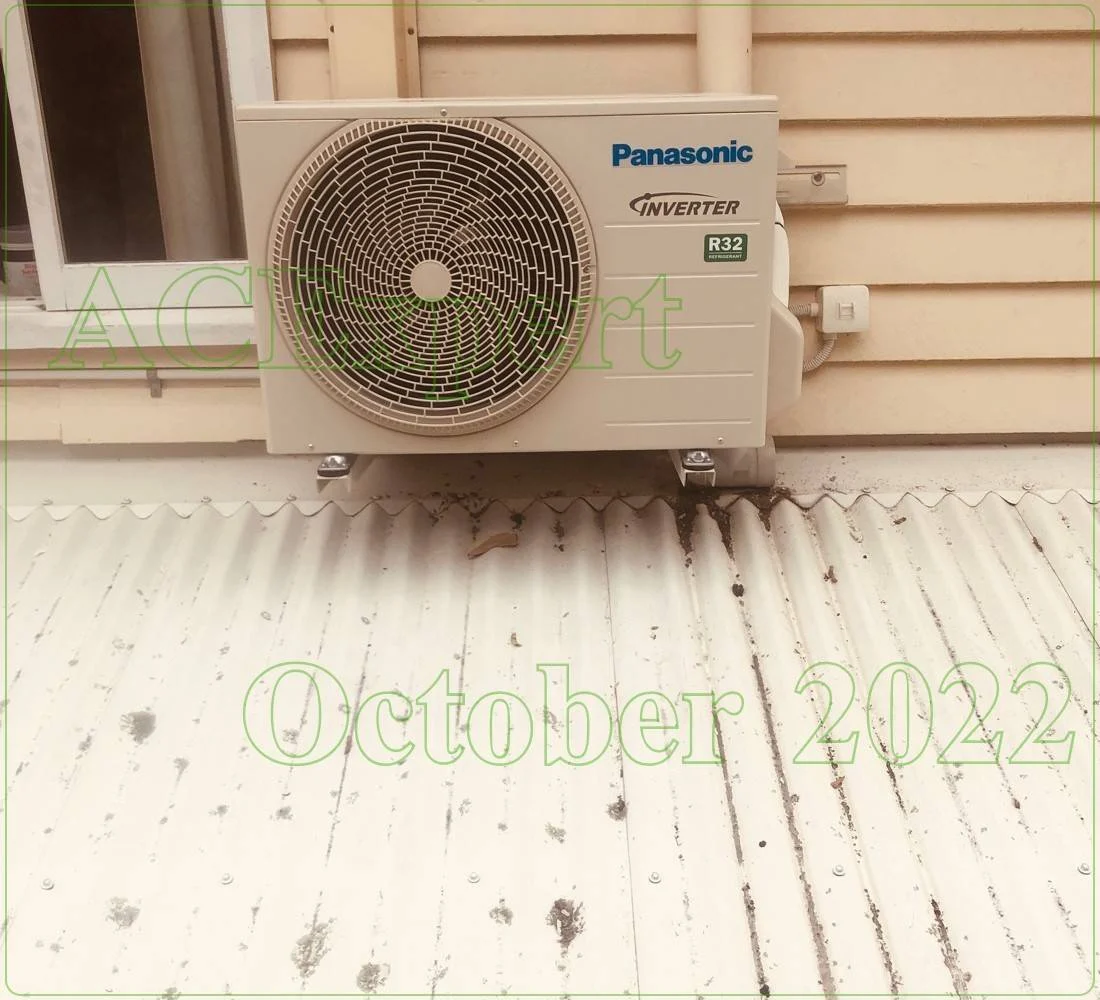

For Melbourne schools, a split system air conditioner that runs outside occupied hours wastes energy and shortens equipment life. The most effective way to prevent that waste is a Melbourne schools term-time scheduling plan—programming each classroom unit to follow school hours, term dates, and holiday closures automatically. This guide explains how to set up that schedule without overcomplicating the system.
Need strong tags? Allowed? They said use p, ul/li, h2/h3 only. Does count? They said “Use
,
- /
- , and
/
only.” likely no strong? They said plain semantic tags only. Could use strong? It says only those tags. Better avoid strong. We can write plain text. No bold. Avoid emphasis. Use plain. We’ll not use strong. Could use
with plain text.
Need ensure keyword appears first paragraph, maybe not bold. Fine.
Need word count. Let’s create.
Need maybe mention pre-programmed weekly schedule. Add actual schedule list maybe:
H2: Set a base weekly schedule
p: The default program for a standard classroom should cover Monday to Friday only…
ul: - Start: 30–45 minutes before staff or students arrive, so spaces are comfortable at first bell.
- Cool to 22–24°C during teaching periods; heat to 18–20°C in winter.
- Stop: 15–30 minutes after the final afternoon class, unless after-school care or cleaning requires longer.
- Weekends: set to a high setback or off, depending on building use.
Need maybe temperatures. Common but okay. Is 22-24 and 18-20 accurate? It’s guideline. Could phrase “Many Melbourne schools set cooling between 22°C and 24°C during occupied hours and heating between 18°C and 20°C. Confirm exact setpoints with your installer.” That avoids fake. Good.
Need schedule holiday overrides. Use list public holidays, term breaks. Could list Victorian school terms? But no fake dates. Could say “Enter the published Victorian term dates for the current year.” That doesn’t give specifics. Need maybe mention split system controllers allow multiple holiday blocks. Good.
Need maybe include step-by-step programming. Use H3 subheading “Program Monday through Friday blocks” 5 words. “Add weekend setback periods” 4. “Create holiday and pupil-free overrides” 5? Actually Create1 holiday2 and3 pupil-free4 overrides5. Six? okay. “Set a term break hold” 5. Good.
Need maybe ensure no h4. Use H2 and H3. Need maybe “Why a schedule beats manual control” heading. Could include.
Need full article. Let’s outline:
Intro paragraph: purpose and keyword.
H2: Why Melbourne schools term-time scheduling matters
p: In a school, most cooling demand happens between 8:00am and 4:00pm on weekdays during term. Outside those hours, empty classrooms don’t need full comfort. If each split system is left on because someone forgot the remote, energy is consumed for no benefit. Melbourne schools term-time scheduling solves this by writing the school day into the unit’s timer. It reduces wasted run-hours, lowers peak demand, and reduces unnecessary wear.
H2: Start with an operating map
p: Before programming, list which rooms have split systems and when each space is used.
ul:
p: Keep the schedule room-specific. A single blanket program wastes energy in lightly used spaces and undercools heavily occupied rooms.
H2: Set a base weekly schedule
p: Most Melbourne school split systems will work well on a simple seven-day repeating program:
ul:
p: For a standard classroom, set the occupied block to start 30–45 minutes before student arrival and stop 15–30 minutes after rooms empty. This gives the system enough time to bring the space to temperature without running all afternoon.
H3: Program Monday through Friday blocks
Maybe list times:
ul:
Need maybe not over-specific but okay. Could say “adjust to your bell times.” Good.
H3: Add weekend setback periods
p: If the school is occasionally used on weekends, program a setback rather than a start/stop block. A setback holds the room at a less conditioned temperature, preventing extreme heat or cold without paying for full comfort. Use the same setback for weeknights.
H2: Map school terms and holidays
p: Melbourne school terms are published well in advance. At the start of each year, enter each holiday period as an override or “away” period in the controller or app.
ul:
p: Some split systems allow only a limited number of holiday blocks. If the controller cannot store every term date, schedule a monthly reminder to switch between term and holiday mode. Even that reduces wasted hours compared with always-on operation.
H3: Create holiday and pupil-free overrides
p: Put the school’s closure dates into the controller as exceptions. If the unit supports an app, label them clearly, such as “April break” or “Queen’s Birthday”. This avoids guessing later.
H2: Use setback temperatures carefully
p: An unoccupied classroom does not need to be held at 21°C. Set the setback high enough in summer to avoid heat build-up, and low enough in winter to prevent cold damage or excessive warm-up time. A common starting range for Melbourne conditions is:
ul:
p: These are not universal rules. Let your installer check the room’s orientation, glazing, and insulation before locking setpoints. The goal is to protect the space without paying for comfort nobody uses.
H2: Split systems need per-unit programming
p: A split system air conditioner has a wall controller or remote for each indoor unit. The schedule must be set at each unit, unless a centralised controller or Wi-Fi adapter links them. Walk the school zone by zone and confirm:
ul:
p: A locked control panel stops well-meaning staff or students from overriding the term-time schedule and leaving a unit running overnight.
H2: Test schedules before term starts
p: Do not wait until the first hot day. Two weeks before students return, turn each unit on in schedule mode and confirm it starts and stops at the programmed times.
ul:
p: Small timing errors are easy to fix before term. During the school week, a missed stop time can run 20 or 30 units for hours.
H2: Adjust for seasonal changes
p: Melbourne’s shoulder seasons can swing from cool mornings to warm afternoons. The system schedule should change between heating and cooling modes, but the occupancy times usually stay the same. In late spring and early autumn, review whether the 30–45 minute pre-start is still necessary. On mild days, a shorter pre-start may be enough; on very cold or hot days, a longer start may be justified.
H2: Avoid common scheduling mistakes
p: Several simple errors waste energy in Melbourne schools:
ul:
p: A well-designed Melbourne schools term-time scheduling plan removes these errors by separating time from temperature and mode decisions.
H2: What this means for maintenance
p: A split system that runs only during school hours accumulates fewer run hours and sees less coil fouling. That lowers maintenance frequency, but it does not eliminate it. Filters still need cleaning before each term, and the outdoor unit needs clear airflow. The schedule also gives maintenance staff a clear window for cleaning and repairs without disrupting occupied teaching.
H2: Work with your installer on controls
p: If the existing units have basic timers, your installer can recommend an aftermarket Wi-Fi controller or a central scheduling interface that groups classrooms. The best approach is to set the schedule with someone who understands the unit’s full feature set. Melbourne schools term-time scheduling is not a one-off programming job; it should be reviewed whenever term dates change, classrooms are repurposed, or after-school programs extend hours.
Need word count maybe around 1000. But need 900-1300. It’s likely 1100. Need ensure keyword count. Let’s count phrase occurrences:
Intro: “Melbourne schools term-time scheduling” 1
H2: “Why Melbourne schools term-time scheduling matters” 2
Paragraph in that section: “Melbourne schools term-time scheduling solves…” 3
Last H2 maybe no. Paragraph before work with installer: “A well-designed Melbourne schools term-time scheduling plan…” 4
Final paragraph: “Melbourne schools term-time scheduling is not…” 5. That’s 5. Need at least 4. Okay. It appears in first paragraph and one H2. Good. Could use exact phrase in body more times if needed but 5 enough. Need maybe in another heading? One H2 enough. Title as H1 counts? They said page title already serves as H1, and keyword usage at least one H2/H3. We have one H2 with keyword. Good.
Need avoid using bold/strong. I won’t.
Need ensure every h2/h3 max 6 words. Let’s check headings:
H2: Why Melbourne schools term-time scheduling matters -> count: Why1 Melbourne2 schools3 term-time4 scheduling5 matters6. ok.
H2: Start with an operating map -> Start1 with2 an3 operating4 map5. ok.
H2: Set a base weekly schedule -> Set1 a2 base3 weekly4 schedule5. ok.
H3: Program Monday through Friday blocks -> Program1 Monday2 through3 Friday4 blocks5. ok.
H3: Add weekend setback periods -> Add1 weekend2 setback3 periods4. ok.
H2: Map school terms and holidays